
Rent is the largest monthly expense most residents pay, and in most cases it does nothing for their credit. CFPB research confirms that adding alternative payment data like rent improves credit access for residents who otherwise look invisible to scoring models. That is a reporting gap, not a features problem, and property managers sit closer to the fix than anyone else. The tools below differ on who pays, which bureaus get reported, whether retroactive history counts, and whether the PM has to touch it after setup. Second Nature, Esusu, and Boom are the picks most operators will weigh first.
How we selected these rent reporting tools
Sources checked: Business Insider 2025, FrontLobby June 2025, Firstcard 2026, the Self.inc rent reporting guide from September 2025, CFPB research on rental payment data, and Experian's analysis of rent reporting's credit impact. Each tool was evaluated on bureau coverage, retroactive reporting, cost model, delivery model, and PAS integration depth. Tools without verifiable bureau relationships or active PM use were excluded.
A note on bias: Second Nature is the publisher of this guide and is included as Our Pick for property managers running 50 or more doors. All tools were evaluated against the same criteria. Strengths and watch-outs come from public reviews, independent research, and published product pages, not self-assessment.
Key takeaways
- All-three-bureau coverage matters most for resident credit impact because FICO scoring leans on Experian data.
- Retroactive reporting up to 24 months can deliver an immediate score boost at enrollment rather than gradual monthly gains.
- Some tools are resident-facing apps and others are PAS-integrated platforms, so the delivery model decides how much operational lift lands on your team.
- For portfolios of 50 doors or more, bundled delivery beats standalone tools because retention math compounds across every lease.
What property managers need to know before choosing a rent reporting tool
- Bureau coverage. Tools that report only to Equifax and TransUnion miss the Experian data FICO scoring relies on, which means a partial credit impact for your residents. All-three-bureau tools cover the full picture.
- Cost model. Resident-paid apps (Boom, Kikoff, Rental Kharma) put the spend on the renter. PAS-integrated tools embed cost in platform fees. Lease-enrolled bundled programs (Esusu, RentTrack, Second Nature's Resident Benefits Package) let the PM control enrollment.
- Retroactive reporting. Tools that upload up to 24 months of payment history at enrollment hand residents a score boost on day one. Forward-only tools take twelve months to show the same result.
- Delivery model. Self-service apps require residents to discover and sign up on their own, which produces low participation. Lease-enrolled programs hit close to 100% because enrollment happens at signing.
Do I want a tool my residents have to find and sign up for on their own, or one that's already enrolled at lease signing?
|
Tool |
Best for |
Bureau coverage |
Retroactive |
Cost (resident) |
PM integration |
Free tier |
|
Large portfolios |
All 3 |
Up to 24 mo |
~$2.50/mo direct |
PMS-integrated |
No |
|
|
Individual residents |
All 3 |
Paid upgrade |
Free |
None |
Yes |
|
|
CA-compliant multifamily |
All 3 |
Up to 24 mo |
Custom |
PMS-integrated |
No |
|
|
PayYourRent users |
All 3 |
No |
Free |
Built-in |
Yes |
|
|
Low-cost PMS integration |
All 3 |
Available |
$2/mo |
Buildium, Rent Manager, Yardi |
No |
|
|
Long rental histories |
2 (no Experian) |
Uncapped |
$50 + $8.95/mo |
None |
No |
|
|
Bundled credit-building |
2 (no Experian) |
No |
$5/mo |
None |
No |
|
|
50+ door portfolios |
All 3 |
Up to 24 mo |
Bundled in RBP |
Fully managed |
Success-based |
1. Esusu: Best for large portfolios that need PM-integrated reporting with institutional backing
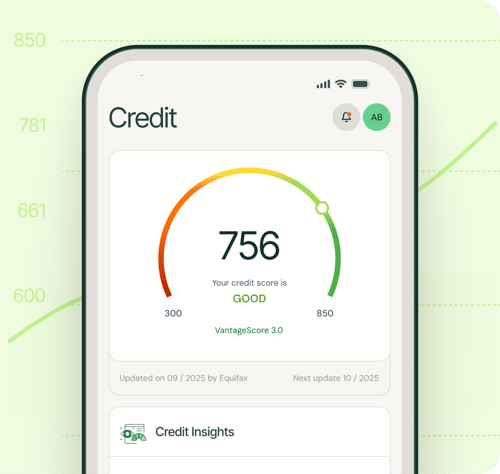
Esusu connects directly to property management systems and reports on-time rent to all three major credit bureaus. Residents can receive up to 24 months of retroactive reporting from their current lease at enrollment.
Esusu sits at the PAS layer, which means the sync runs unattended once credentialing finishes. No monthly CSV pulls, no portfolio managers chasing late submissions. The catch is the credentialing itself, which can stretch into weeks at enterprise scale because every PAS connection has to be provisioned through the bureau side. Plan for that on the front end and the back end runs clean. Esusu is backed by SoftBank Opportunity Fund and Motley Fool Ventures, which matters more than it should: enterprise procurement teams want a vendor that will still exist in three years.
- All-three-bureau coverage with automatic PAS data pull (no manual submission).
- PAS integrations include Yardi, RealPage, Entrata, AppFolio, and Rent Manager.
- Esusu Passport: a portable verified rent record residents carry to future leases or mortgage applications.
Pricing: custom for PM-side; resident-direct tier around $2.50/month.
What we like: The Passport feature turns a resident's payment history into a portable financial credential, which no other tool on this list offers.
Watch out for: PM-side pricing is demo-gated with no public rate card, which adds friction for smaller operators who want to compare before a sales call.
2. Self: Best for residents who want free, no-landlord-required reporting to all three bureaus
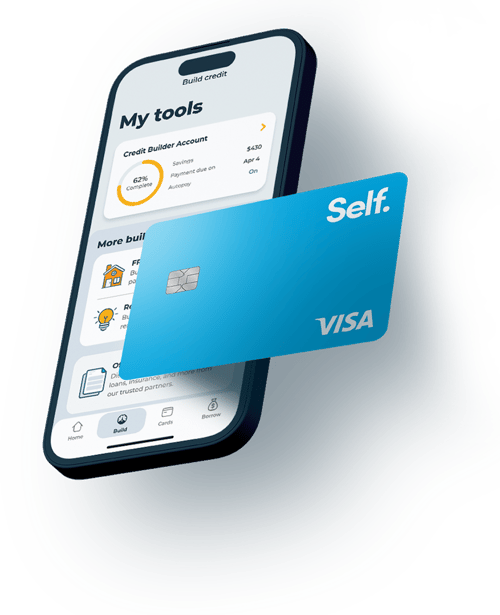
Self offers free rent reporting to all three major bureaus with no setup fees, no monthly cost, and no hard credit pull at enrollment.
Self started as a credit-builder loan provider, and rent reporting was layered on later. That heritage shows up inside the app: the rent feature lives next to credit-builder accounts, secured cards, and credit monitoring, and most residents who land on Self end up using two or three of those products together. The free tier reports forward only, so the credit profile builds gradually rather than landing at enrollment.
- No landlord verification required; residents self-attest payment history.
- Retroactive backfill of up to 24 months sits behind a paid upgrade (around $9.95/month).
Best for: Individual residents who want to self-direct their credit building, or PM companies under 20 doors where manual awareness is feasible.
Watch out for: Self is a consumer tool. The PM cannot centrally manage or monitor enrollment across the portfolio, so operators running portfolio-wide programs should look elsewhere.
3. RentTrack: Best for multifamily property managers who need California AB-2747 compliance tooling
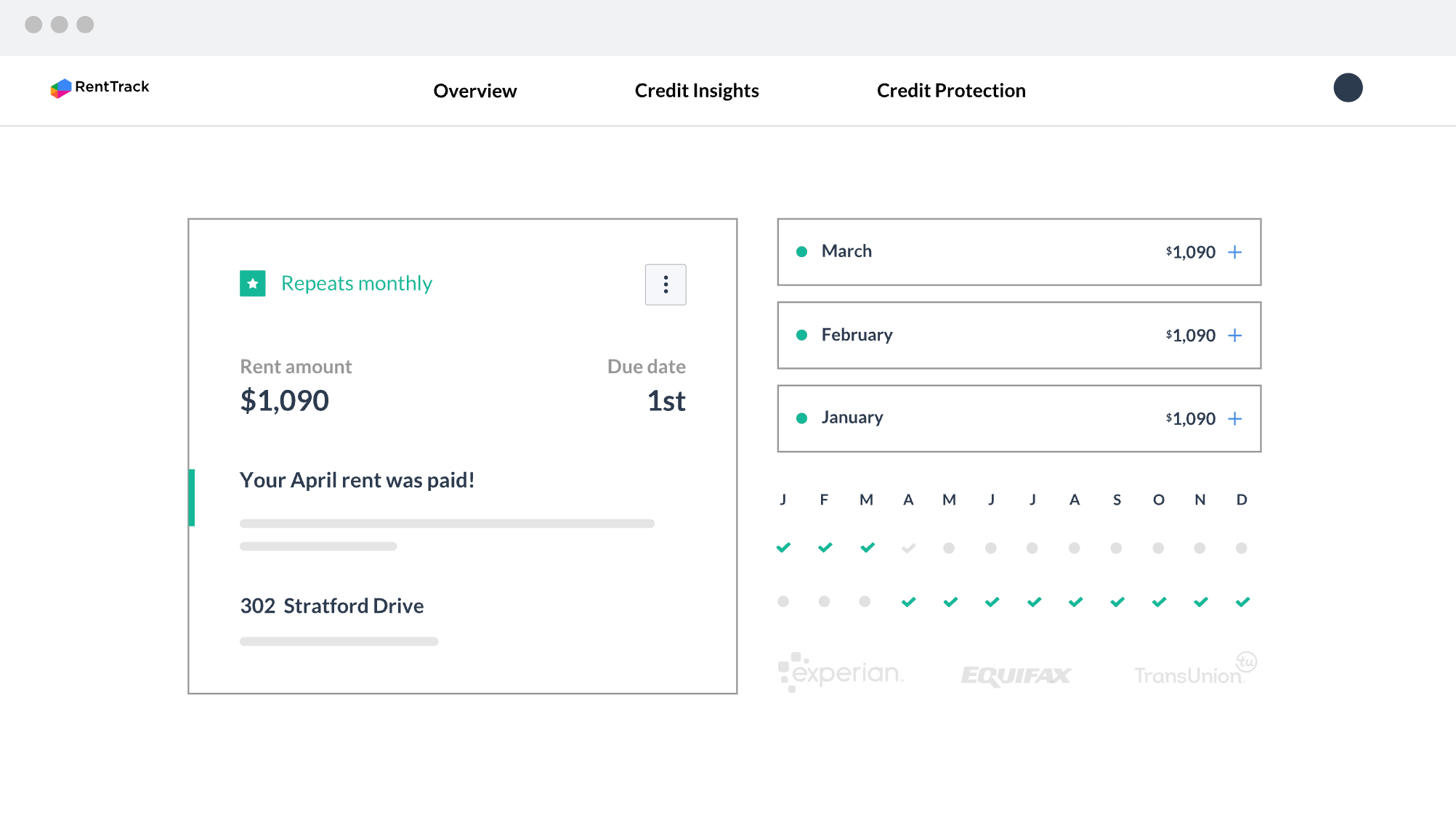
RentTrack bills itself as the first rent reporter with direct relationships at all three major bureaus. The solution claims that its California compliance toolkit covers both SB-1157 and AB-2747 (effective July 2025), with tenant notification templates, implementation guides, and disclosure sheets. For PMs running California properties, compliance is a genuine operational lever.
The compliance kit isn’t just a folder of templates. It includes legal disclosure language that's intended to satisfy AB-2747’s notice requirements without your team drafting anything, which is the kind of detail your legal counsel checks for before signing off on a portfolio-wide rollout. RentTrack also pipes payment data through Equifax Verification Services, the same plumbing major mortgage lenders use for income and asset checks. That matters when residents apply for FHA loans down the line: their verified rent history is already sitting where the lender looks for it.
Residents get credit monitoring and monthly score alerts. Certified data furnisher status (meaning RentTrack is legally authorized to report payment data to credit bureaus) means it handles FCRA, the Fair Credit Reporting Act, on the PM's behalf. Up to 24 months of retroactive reporting is available.
Watch out for: Pricing is not publicly listed; a demo is required for PM-side quoting.
Who should not use it: Scattered-site SFR operators with no California doors will find RentTrack's compliance-forward positioning less relevant.
4. PayYourRent: Best for property managers already on the PayYourRent platform who want zero-cost reporting layered In
PayYourRent includes opt-in rent reporting to all three bureaus as a feature of its existing rent payment portal, free to both residents and the PM. Residents who pay through the portal can opt in or out at any time.
PayYourRent was acquired by MRI Software, which means the long-term roadmap depends on MRI’s product priorities rather than a standalone rent-reporting strategy. The reporting feature itself is bolted onto the payment portal, so it only activates when residents opt in inside the same flow where they pay rent. Adoption tends to live in the 20-40% range without a dedicated communications push at lease signing.
Unlike RentTrack, which functions as a standalone compliance product, PayYourRent's reporting is entirely dependent on the PM already using PayYourRent as their payment processor.
Best for: Operators already embedded in the PayYourRent workflow who want rent reporting without adding a new vendor.
Watch out for: No retroactive reporting, and the benefit only activates when residents opt in through the portal.
5. Boom (BoomReport): Best for property managers who want low-cost, PAS-integrated reporting with configurable enrollment
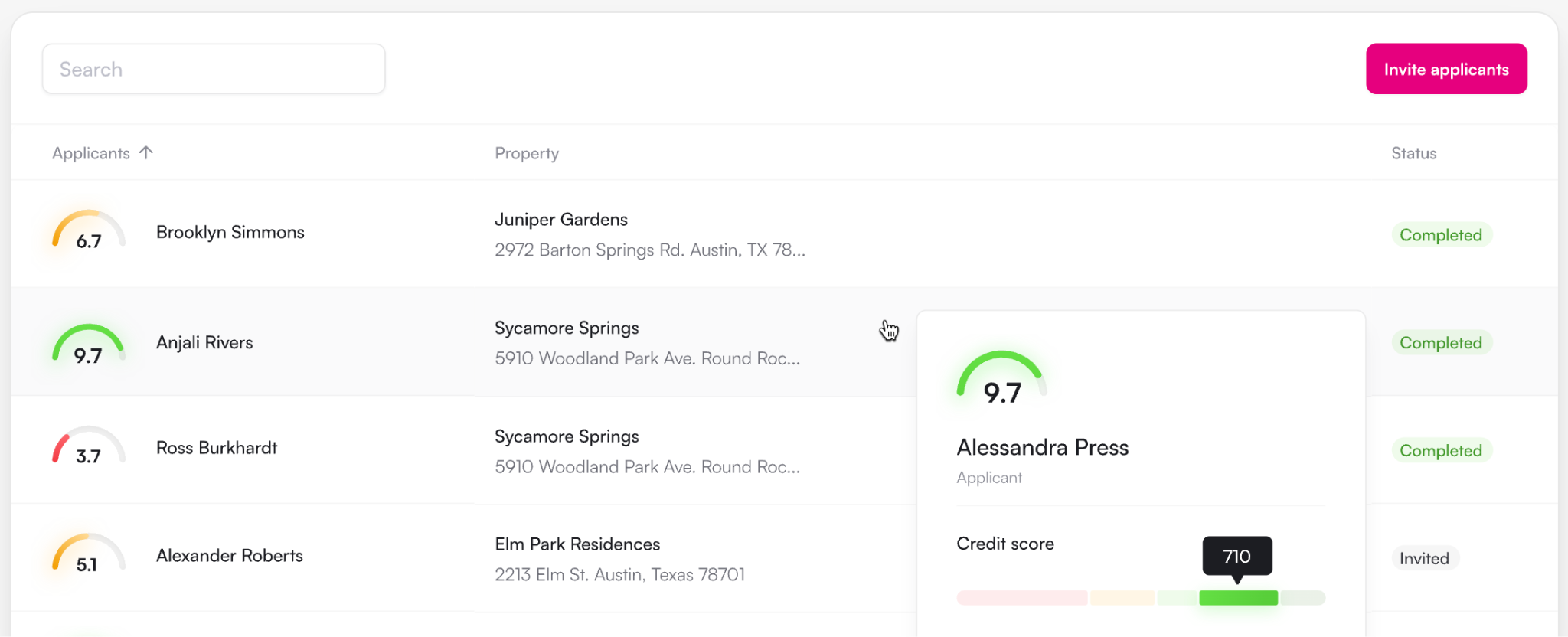
Boom’s BoomReport product is built for property managers and integrates directly with Buildium, Rent Manager, and Yardi. It reports to all three bureaus, supports required, opt-in, and opt-out enrollment configurations, and deploys with no monthly minimum and no implementation fee. Credentialing typically completes in 24 hours.
The 24-hour credentialing is the differentiator here. Most competitors quote two to four weeks because bureau credentialing runs through manual review queues. Boom built the workflow to clear faster, which means a PM can decide on Monday and have residents reporting by Wednesday. The opt-out enrollment mode is the other operational lever worth knowing about: it inverts the default so participation runs near-portfolio-wide without the PM team chasing sign-ups.
- Three enrollment modes (required, opt-in, opt-out) configurable per property.
- 24-hour credentialing versus 2-4 weeks at most competitors.
- No monthly minimum, no implementation fee. Y Combinator-backed.
The resident-facing Boom app carries a 4+ star average across more than 1,300 App Store reviews, which gives PMs a reliable signal that the resident experience holds up post-enrollment.
Pricing: $2/resident/month for portfolios up to 1,000 units; custom pricing for 100+ units.
What we like: Configurable enrollment modes let PMs match their own policy without building a workaround.
Watch out for: BBB data shows some complaints about inaccurate reporting after move-out; verify the offboarding process before rolling out at scale.
6. Rental Kharma: Best for residents with long rental histories who want maximum retroactive reporting
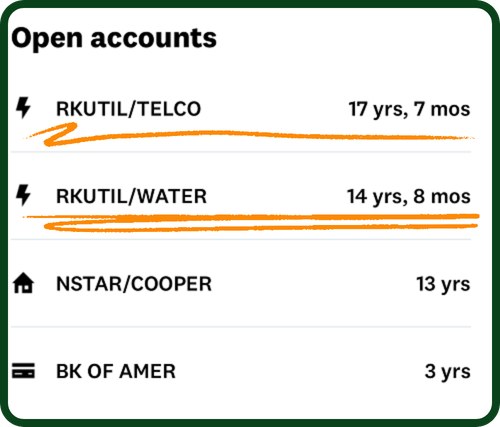
Rental Kharma is a resident-facing service with uncapped retroactive reporting of all past payments at the current address, with landlord or PM verification required for enrollment.
Founded in 2013, Rental Kharma is the oldest tool on this list and predates most of the consumer credit-building category. The verification process is manual: a human at Rental Kharma contacts the landlord or PM to confirm payment history before reporting begins. That slows onboarding to a couple of weeks, but the data going to the bureaus is cleaner than auto-pulled feeds. The $50 enrollment fee self-selects for residents who are serious about credit building, which keeps the user base motivated and the support load low.
Operators running portfolio-wide programs should not rely on Rental Kharma. It covers only Equifax and TransUnion (no Experian), has no PM integration layer, and requires residents to initiate and pay ($50 enrollment plus $8.95/month).
Best for: Individual residents with two or more years of on-time history who want the fastest possible credit profile build. The uncapped retroactive reporting is the most aggressive option on this list.
Watch out for: Two-bureau coverage means residents miss the Experian data FICO scoring leans on, which caps the credit impact at partial.
7. Kikoff: Best for residents who want rent reporting bundled with a broader credit-building ecosystem
Kikoff’s $5/month Basic plan includes rent reporting to Equifax and TransUnion plus a $750 Kikoff credit tradeline reported to all three bureaus. Premium tiers add bill reporting, a secured card, identity theft insurance, and debt negotiation.
The real product at Kikoff is the $750 tradeline, not the rent reporting. Residents who join for credit building end up using both, which is why the tradeline shows up on all three bureaus while the rent reporting only hits two. Residents with starting scores under 600 see the largest gains because the tradeline lengthens their average account age and adds a positive payment line where they previously had none.
- Basic ($5/mo): rent reporting to two bureaus, $750 tradeline to all three.
- Premium (~$20/mo): adds bill reporting, secured card, ID theft insurance, debt negotiation.
Like Rental Kharma, Kikoff covers only two bureaus for rent reporting, though the bundled tradeline gives residents an additional credit-building lever Rental Kharma does not include.
Best for: Residents with a starting score under 600 who want a $750 credit tradeline reported to all three bureaus alongside rent reporting on two.
Watch out for: No PM-side integration; Kikoff is a consumer app, not a strategic PM deployment option.
8. Second Nature (our pick): Best for property managers who want rent reporting inside a fully managed Resident Benefits Package
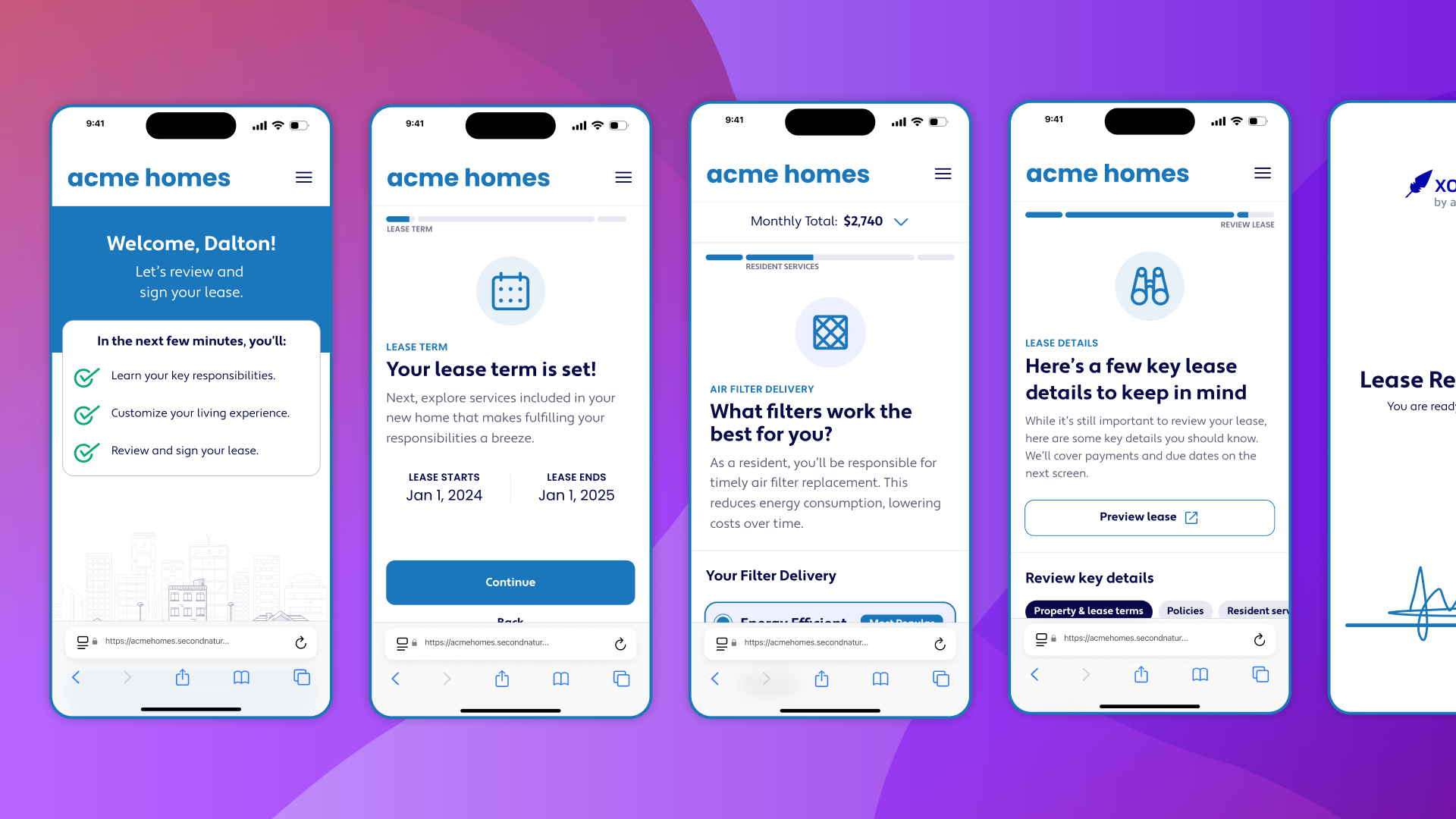
Credit building is one of eight lease-enrolled services inside Second Nature’s Resident Benefits Package, with all three bureau relationships handled on the back end. Enrollment is automatic at lease signing for every adult on the lease, so there is no separate resident sign-up and no opt-in gap to manage.
The lease-enrolled mechanic is the part that separates Second Nature from every other tool on this list. When credit building is built into the lease itself, participation runs near 100% across the portfolio rather than the 20-40% range opt-in apps produce. That gap is where the 64-point average comes from: it’s not a feature advantage, it’s a participation advantage compounded across every resident. PAS integrations cover AppFolio, Rentvine, Rent Manager, Yardi, Buildium, and Propertyware, so the data flows without manual reconciliation.
- All-three-bureau reporting (Experian, Equifax, TransUnion) with up to 24 months retroactive available at enrollment.
- 64-point average credit score boost after 12 months, per Second Nature platform data.
- Bundled with renters insurance, air filter delivery, on-demand pest control, resident rewards, move-in concierge, and identity protection in one fully managed program.
- Success-based pricing: you do not pay until your residents receive their benefits.
What we like: The 64-point average is the clearest proof that lease-enrolled, automatic reporting outperforms opt-in consumer apps, and it shows up in renewal rate conversations with investors. TransUnion research backs this up: residents are 85% more likely to pay on time when rent reporting is part of the program.
Watch out for: Credit building is not available as a standalone service; the PM enrolls in the full Second Nature Resident Benefits Package, joining 2,500+ partner PMCs already on the platform.
How to choose: By company size
The right tool depends on portfolio size because the operational math, enrollment rates, PM lift, and retention impact changes at scale.
|
Company size |
Recommended pick |
Why |
|
SMB (under 50 doors) |
Self and Boom |
Free or low-cost, app-based, all-three-bureau coverage without added operational complexity |
|
Mid-market (50–500 doors) |
Second Nature RBP and Esusu |
Bundled or PM-integrated; enrollment rates and retention impact compound at this scale |
|
Enterprise (500+ doors) |
Second Nature RBP, Esusu, and RentTrack |
Institutional-grade data furnisher relationships and compliance infrastructure |
How to choose: By priority
If portfolio size is not the deciding factor, align the pick to the operational outcome that matters most.
|
Priority |
Recommended pick |
Why |
|
Lowest cost |
Self and PayYourRent |
Free to residents; PayYourRent's cost is absorbed in existing platform fees |
|
Most features |
Second Nature RBP |
Rent reporting plus seven other lease-enrolled benefits, fully managed, success-based pricing |
|
Easiest to deploy |
Boom and PayYourRent |
No monthly minimum, 24-hour onboarding, or zero new workflow through an existing portal |
Questions property managers ask before rolling out rent reporting
How do you position rent reporting to residents? Frame it as a financial tool that converts something residents already do, paying rent, into credit history. AppFolio's renter preference research confirms financial benefits consistently rank among the lease features residents value most. It is a benefit, not a charge, and the value is the credit profile they walk away with.
How do you handle late payments fairly? Every tool on this list uses positive-only reporting. On-time payments are reported; late payments are not reported as negatives. The structure rewards on-time behavior without penalizing a resident for a single late month.
How do you measure the impact? Track renewal rates before and after rollout, on-time payment rate trends, and average credit score change at 3, 6, and 12 months. Second Nature's platform data puts the 12-month benchmark at 64 points across more than 2 million resident experiences, which is the number to measure any tool against.
Make rent reporting a renewal lever, not a checkbox
Under 50 doors, any tool on this list that covers all three bureaus and fits your residents’ payment workflow will close the reporting gap. Pick the one with the lowest operational friction and move on.
At 50 doors, the math changes. Opt-in tools produce variable enrollment in the 20-40% range. Lease-enrolled programs run closer to 95%. That gap shows up in your renewal data long before it shows up in your residents’ credit scores, and it’s the part investors ask about first.
Second Nature’s platform data, drawn from more than 2 million resident experiences across 2,500+ partner PMCs, puts the 12-month average at 64 points. Rent reporting is one of eight benefits in the package, and the pricing is success-based: you do not pay until residents receive their benefits.
Book a 20-minute walkthrough and see what lease-enrolled rent reporting actually does to your renewal numbers.

Topics:


 September 24, 2026