Stay in the loop.
We deliver our newsletter straight to your inbox every other Wednesday, loaded with insights, tips, and news custom tailored for property managers. No ads or sponsors, just great content.

We deliver our newsletter straight to your inbox every other Wednesday, loaded with insights, tips, and news custom tailored for property managers. No ads or sponsors, just great content.
In this issue we'll cover: 💜 How flexible rent programs work (and how to get started) 💜 NARPM© Annual VIP is here! 💜 Our next How I AI session CREATING A TRUE TRIPLE WIN Flexible rent payments: a benefit for everyone There are a lot of resident benefits available in property management today, but if I had to choose one of my favorites, flexible rent payments would be at the very top of the list. I’m a big believer that the best resident benefits are the ones that solve a real problem or make life genuinely easier for the people we serve. Flexible rent payments do exactly that. They give residents more control over one of their largest monthly expenses, while also creating a benefit for property managers and owners. At Milestone, we've offered flexible payment options for years, and today we use Flex. There are several providers offering similar programs, but the concept is relatively simple: instead of requiring a resident to come up with their entire rent payment at once, an approved resident can split that obligation into multiple payments that better align with when they actually get paid. And the property manager still receives the full rent payment on time. How flexible rent payments work Think of Flex almost like a short-term rent line of credit. A resident applies directly through Flex and, if approved, receives a payment schedule based on their eligibility. Instead of paying their entire monthly rent to us at once, they make their scheduled payments to Flex. Let's say a resident's rent is $1,500 per month and their approved payment dates are the 1st and 17th. Rather than coming up with all $1,500 on the first, the resident might pay Flex $750 on the 1st. Flex then sends us the full $1,500 rent payment. The resident pays the remaining $750 to Flex on the 17th according to their payment plan. From our perspective, rent is paid. From the owner's perspective, rent is paid. And from the resident's perspective, they've been able to structure one of their largest monthly expenses around their actual cash flow. That's a triple win. Why we started offering it The decision to offer flexible payments came from something we saw over and over again: good residents who weren't necessarily unable to afford their rent—they just struggled to pay all of it at one time. There is a big difference. A lot of people live paycheck to paycheck. Their rent may be $1,500, but their paycheck on the first may not leave them with $1,500 available after groceries, utilities, childcare, car payments, and every other expense that hits at the beginning of the month. Before flexible payment options, those residents might pay what they could, wait for their next paycheck to pay the remainder, and rack up late fees in the process. Sometimes that meant spending hundreds of dollars throughout the year simply because the timing of their income didn't line up with the timing of their rent. That never felt like a particularly good outcome for anyone. What we've seen The results have been overwhelmingly positive. Residents appreciate having an option that works around their pay schedule. Owners appreciate receiving their rent on time. And our team appreciates having a resource we can offer residents that doesn't require us to become their lender or create complicated internal payment arrangements. Most importantly, I think it creates a healthier relationship between the resident and property manager. We're still enforcing the lease. Rent is still due. We're not eliminating accountability. We're simply recognizing that the traditional "everything is due on the first" model doesn't always match the way people are actually paid anymore. If there is a tool that can bridge that gap without shifting the financial burden or collection risk onto the property owner, I think it's worth considering. How to get started For property managers considering flexible rent payments, implementation is fairly simple. Start by researching the providers available to you. We use Flex, but there are other companies offering similar programs, and your property management software may already have an integrated option. Then look beyond the sales pitch. Understand exactly how and when your company receives funds, what happens if the resident doesn't make their subsequent payment, what fees the resident pays, eligibility requirements, and how the program interacts with your existing accounting and delinquency processes. Once you've selected a provider, don't just add a link to your resident portal and forget about it. Build it into your processes. Include the option in your resident communications. Train your team on how it works. Add it to your delinquency workflow. Make sure team members know when it's appropriate to mention it and, equally important, that they aren't promising approval. A benefit that's actually a benefit Property management companies spend a lot of time talking about creating better resident experiences. Sometimes that gets translated into adding more programs, more technology, and inevitably, more fees. I think the better question is simpler: Does this actually make the resident's life easier? Flexible rent payments do. They give residents more control over their monthly cash flow. They can help residents avoid unnecessary late fees. They give owners more consistency in receiving rent. And they give property managers another tool to prevent a temporary cash-flow issue from becoming a delinquency problem. Residents win. Owners win. Property managers win. That's exactly what a resident benefit should do. Have a great week, Brandy Landon Broker/Owner Milestone Premier Properties Turbo Tenant acquires TenantCloud: The deal follows Turbo Tenant's purchases of property accounting platforms REI Hub and Azibo, potentially positioning Turbo Tenant to grow significantly in the industry. court for the first time as three separate lawsuits head to trial. Boom secures $15M in Series A funding: The announcement is paired with the introduction of BoomCRM, a new leasing tool built on underwriting intelligence. The platform answers inquiries, schedules showings, and more. Level up your NARPM© Annual experience as a Second nature VIP Our free VIP experience includes exclusive loot, a bonus level after-party, and your choice of side quest! Register today to secure your spot and make the most of your time in Vegas! Maranda Hunnicutt joins us on September 24 to walk through the fundamentals of AI, giving you a practical starting point if you're not already an advanced AI user. She'll use examples from her own property management work to show how she started and ramped up with AI. Register today! Use our template to write a non-renewal of lease letter, and learn how, when, and why to send it. Read the blog post Andrew sat down yesterday with Northpoint's Daniel French at IMN to record this live podcast episode. Listen to the episode See you in a couple of weeks! The Second Nature Team
 August 26, 2026
Read more

In this issue we'll cover: 💜 How to create and maintain realtor partnerships 💜 Our AI Triple Win Live series continues next month 💜 AI-search tips from Lacy Hendricks TRUE PARTNERSHIPS BRING REAL RESULTS Leveraging realtor partnerships: One of the most overlooked sources of property management growth When property managers think about growing their portfolios, the conversation usually revolves around digital marketing, SEO, networking events, investor groups, or paid advertising. While all of those strategies certainly have their place, one of the best referral sources for property management is often overlooked entirely: local real estate agents. The interesting part is that most real estate agents don't actually want to be property managers. According to the National Association of REALTORS®, only a small percentage of real estate firms identify residential property management as their primary business, while the overwhelming majority focus on residential brokerage. In other words, there are thousands of agents across the country working with investors every day who eventually need a trusted property management company to refer their clients to. Ironically, that's exactly how I ended up in the property management business. When I opened my brokerage, property management wasn't part of the plan. My business was centered around helping buyers, sellers, builders, and investors purchase real estate. As my investor clients started building rental portfolios, they all began asking me the same question: "Who do you recommend for property management?" The problem was that I didn't have an answer I felt comfortable giving. There were a few companies in my market offering property management services, but none that I felt truly reflected the level of service I wanted my clients to receive. Eventually, I agreed to manage a few properties for some of my investors. Before long, those investors started referring their friends, then their friends referred someone else. Looking back, it's almost like they were all talking to each other! Before I knew it, what started as helping a handful of clients had grown into an entirely new division of our company. Today, I find myself on the opposite side of that relationship. Instead of being the real estate agent looking for a great property manager, I'm the property manager hoping that local agents think of us when one of their investor clients needs professional management. Having experienced both sides has taught me just how valuable these relationships can be. One misconception I hear quite often is that you have to pay large referral fees to build relationships with real estate agents. While referral programs certainly have their place, especially as your company grows, I don't think they're what creates the relationship in the first place. Property management margins are already thin, particularly for newer companies, and paying significant referral fees simply isn't realistic for many businesses. Instead, I focused on building genuine relationships. I started by reaching out to recognizable names in my market—agents who had established businesses, worked full-time, and regularly represented investors. I'd invite them to grab a cup of coffee, learn more about their business, explain how we approached property management, and answer any questions they had. From there, I'd stay in touch, stop by their office every now and then, drop off updated business cards or tri-fold brochures they could hand to clients, and simply make an effort to stay top of mind. The goal was never to ask for referrals every time we talked. The goal was to build trust so that when one of their clients asked, "Do you know a good property manager?" they immediately thought of us. Of course, if you've had these conversations before, you've probably heard the concern that almost every real estate agent eventually brings up: "What happens when my client is ready to sell? Are you going to steal them?" Here's my take. I don't believe you can "steal" a client any more than you can steal someone's boyfriend or girlfriend. Relationships don't disappear because someone else exists. They disappear when they aren't maintained. If a client doesn't return to their original agent years later, it's usually because the relationship wasn't nurtured, or because enough time has passed that they simply don't remember who helped them purchase the property in the first place. That doesn't mean we ignore the concern. In fact, we've built processes specifically to protect those relationships. Whenever a client comes to us through a real estate agent referral, we document that referral in our CRM and make sure it's visible throughout the life of the account. If that owner ever mentions selling their property, our first response is always to recommend they reconnect with the agent who originally referred them to us. We want our referral partners to know we're looking out for their business just as much as our own. Occasionally, an owner tells us they no longer wish to work with their previous agent for one reason or another. If that's the owner's decision, we'll certainly help them with the sale. But that's the exception—not the expectation. Our philosophy has always been to protect the relationship first whenever possible. As our company has grown, we've implemented a small referral appreciation program. Today, whenever an agent refers a new management client to us, they earn a $100 referral fee per door, and we send a thoughtful thank-you gift as a token of our appreciation. But if there's one thing I've learned from being on both sides of this relationship, it's that the referral fee isn't what motivates great agents. When I was the one referring my investor clients to a property manager, I wasn't looking to make money—I was looking for someone I could trust to take exceptional care of my clients. That's what mattered most. The best agents understand that when their clients are well taken care of, everyone wins. Investors have a better experience, they're more likely to continue growing their portfolios, and when they're ready to buy their next investment property—they naturally turn back to the real estate professional they trust. That creates more opportunities for everyone involved. The referral fee and thank-you gift are simply our way of showing appreciation. The real value in the partnership comes from taking great care of the clients we've been trusted with. The biggest lesson I've learned through all of this is that realtor relationships deserve the same level of attention as owner relationships. They don't happen by accident, and they don't maintain themselves. Like any good relationship, they require consistent communication, trust, and a genuine desire to help one another succeed. If building realtor partnerships isn't currently part of your growth strategy, here are five simple things that have worked well for us over the years. Five simple ways to build realtor partnerships Start with a conversation. Don't lead with a sales pitch. Invite agents to coffee, ask about their business, and learn about the types of investors they work with. People are much more likely to refer business to someone they know personally. Make it easy to refer you. Leave behind business cards, tri-folds, or digital resources they can quickly share with clients. If referring you takes extra effort, it's less likely to happen. Protect the relationship. Document where every referral came from, and when an owner starts talking about buying or selling, make every effort to reconnect them with the referring agent. That level of integrity builds trust faster than any referral fee ever could. Stay in touch. Relationships require maintenance. Stop by their office occasionally, invite them to grab lunch, congratulate them on milestones, or simply check in. The goal is to stay top of mind—not constantly ask for business. Always show appreciation. Whether it's a handwritten thank-you card, a small gift, or simply a sincere phone call, let people know you appreciate the trust they placed in you by referring one of their clients. At the end of the day, the more people in your market who trust you enough to talk positively about your business, the more opportunities you'll create. Real estate agents already have relationships with many of the investors you're hoping to serve. If you become the property manager they confidently recommend, you'll build a referral source that continues producing long after that first cup of coffee. Have a great week, Brandy Landon Broker/Owner Milestone Premier Properties Philly's algorithmic rent ban is being challenged in court: Philadelphia's two-year old law on algorithmic rent pricing is headed to court for the first time as three separate lawsuits head to trial. RealPage acquires AI-enabled data company Cherre: The parent company of Buildium and Propertyware brings the real estate data intelligence company into the fold, helping scale their AI models. Join Wolfgang Croskey, Co-Founder of Crane, for the latest installment in our AI series! On August 13 at 2:00 ET, Wolfgang will walk you through what it takes to go further. Real systems, real examples, and time for your questions. Register today! Lacy Hendricks is back on the blog with an all-new article on how AI search works, how to create content that will drive traffic to your site, and how to win business organically. Read the blog post If you missed David Hunter's Triple Win Live session on how he uses AI agents in his business,, this is your chance to get caught up! Watch it now before the third session in our AI series. Watch the recording All of us at Second Nature want to take a minute to acknowledge the tragedy that happened in St. Paul, where Nansi Zambrano, Dena Silcox, and AJ Wilwerding lost their lives in their office. Our hearts go out to the entire property management community, especially Mid Continent Management and the families of the victims. If you're able, please consider joining us in donating to the families of those whose lives were taken. All the purple love, The Second Nature Team
July 29, 2026
Read more

In this issue we'll cover: 💜 How's your mid-year check-in going? 💜 Catch the replay of our vibe coding webinar 💜 More legislative updates from around the country JUST CHECKING IN Halfway There: Why July Is the Perfect Time to Recalibrate By the time you read this, we've officially wrapped up Q2 and reached the halfway point of the year. Six months ago, many of us sat down with ambitious goals for 2026. We mapped out growth targets, staffing plans, profitability goals, operational improvements, and everything we were determined to accomplish before the year was over. Then real life happened. Owners sold properties. New opportunities appeared. Regulations changed. Team members moved on. Unexpected challenges demanded our attention. Priorities shifted. That's business. The halfway point of the year isn't about asking, "Did I accomplish everything I planned?" It's about asking a much better question: At Milestone, we operate on the EOS® framework, which means every quarter we intentionally step away from the day-to-day operations to evaluate where we are, where we're headed, and what needs to happen next. We recently completed our Quarterly Session, where we reflected on everything we accomplished in Q2 and mapped out our priorities for Q3. These Quarterly Sessions are some of the most valuable meetings we have all year. They give us the opportunity to celebrate wins, address challenges, realign around our vision, and ensure everyone is focused on the priorities that will move the company forward over the next 90 days. As part of our meeting, we celebrated what we accomplished, identified what fell short, and, most importantly, measured our progress against the one-year goals we set back in January. Some of those goals were exactly where they needed to be. Others weren't. And that's okay. This quarter, we spent less time chasing growth and more time strengthening the business from the inside out. We overhauled nearly every one of our core processes, settled into our new organizational structure after separating Operations and Maintenance into dedicated departments, refined roles and responsibilities, moved team members into the right seats, welcomed new talent, launched our in-house maintenance department, and worked through a few people issues along the way. It wasn't always easy, but we finished the quarter with a stronger, healthier organization than the one we started with. When we looked back at our annual goals, we had to ask ourselves another important question: Are these still the right goals? For most of them, the answer was yes. For a few, the answer was no. So we adjusted them. There's a common misconception that changing your goals means you've failed. In reality, refusing to adapt to new information is often the bigger mistake. As your business grows, your priorities evolve. New opportunities emerge. Some initiatives become less important, while others deserve far more attention than you originally anticipated. Don't keep chasing a goal simply because you wrote it down six months ago. If it no longer aligns with where your business is headed, give yourself permission to pivot. The middle of the year is also an excellent time to benchmark your business against the industry. Where do you stand today? What are the highest-performing property management companies doing differently? Which metrics are improving, and which ones deserve more focus during the second half of the year? It's also a great time to connect with other property managers. One of the best parts of this industry is how willing people are to share ideas, experiences, and lessons learned. Ask questions. Compare notes. Learn from one another. Sometimes a single conversation can completely change the trajectory of your business. There are also fantastic free resources available, including the PM Trends Report 2026 and the NARPM Trust Accounting Chart of Accounts, both of which can provide valuable insight as you plan for the remainder of the year. The most important thing to remember is this: Halfway isn't the finish line. It's a checkpoint. Take time to celebrate how far you've come. Be honest about what's working and what isn't. Adjust your course where needed, recommit to the priorities that matter most, and move into the second half of the year with clarity and purpose. You've already built six months of momentum. Now let's make the next six even better. Happy Wednesday, Brandy Landon Broker/Owner Milestone Premier Properties Actors surprised to find themselves in the middle of a housing rally: Unless you've been living under a rock, this probably isn't news to you. Read the breakdown in Multifamily Dive. Rockville, MD is the latest to ban algorithmic pricing: More cities, counties, and states are banning algorithmic rent pricing, this time in Maryland. AppFolio recently released the 2026 edition of their Renter Preferences Report. If you missed it, it's definitely worth a read. Read it for free over at AppFolio's site, no download needed! Time's running out to register for our next Triple Win LIVE session! In just 8 days, David Hunter, Owner of Ascend Property Management, will walk through how he builds and uses AI agents in hist business. The session kicks off at 2:00 PM ET on July 22! If your new resident checklist only covers move-in day, you might be coming up short. This template takes you from approval through the first week of tenancy. Read the blog post If you missed Todd Ortscheid's Triple Win Live session on vibe coding, this is your chance to get caught up! Watch it now before the second session in our AI series. Watch the recording See you soon, The Second Nature Team
July 15, 2026
Read more

In this issue we'll cover: 💜 The importance of APIs and technology integration 💜 An upcoming session on building your own AI agents 💜 Stratton Vantage increases leasing velocity and benefit adoption MAXIMIZING YOUR TECHNOLOGIES APIs: Why Getting Your Systems to Talk to Each Other Matters I'll be the first to admit that I'm probably not the person you'd call if you needed someone to build an app or write code. When it comes to technology, I consider myself fairly average. I use ChatGPT daily, I've dabbled with AI tools, and I've learned enough over the years to know that technology can either make your life dramatically easier, or become one more thing you're constantly managing. Lately, one of the topics I've spent more time trying to understand is APIs. It's one of those buzzwords that gets thrown around constantly, especially as AI becomes more prevalent, but most people never stop to explain what it actually means. In the simplest terms, an API is just a way for two different systems to communicate with one another. Think about your business for a moment. Imagine your accounting department, leasing department, maintenance department, and operations team all worked in completely separate buildings with no phones, no email, and no shared systems. Every update would require someone physically carrying information back and forth. A new resident signs a lease? Someone has to walk that information over to accounting. A maintenance request gets completed? Someone else has to manually notify operations. An owner updates their contact information? Yet another person has to remember to update every system individually. That sounds exhausting because it is. An API acts as the messenger between those departments, allowing information to move automatically from one platform to another without someone having to intervene every single time. At Milestone, we use several different systems that each serve a very specific purpose. Buildium manages our accounting, leases, financial reporting, and resident records. LeadSimple helps us manage processes, workflows, and operational tasks. RentEngine supports our leasing activities and marketing efforts, while Property Meld allows us to coordinate maintenance requests, vendor communication, and repair updates. Individually, each platform is good at what it does. But the real value isn't found within the software itself—it's found in the connections between them. When these systems can communicate with each other, we eliminate a tremendous amount of repetitive work. Information only needs to be entered once. Statuses update automatically. Tasks can be created without someone remembering to click five different buttons in five different places. Instead of our team spending time moving data around, they can spend their time talking with owners, assisting residents, and solving problems. This is where API keys come into play. If an API is the messenger, an API key is essentially the security badge that grants permission for that messenger to enter the building. It tells one system, "Yes, you're authorized to access this information." Most software companies provide API keys so businesses can create integrations, automate workflows, and build custom solutions. Some companies embrace this concept and provide robust, open APIs that make it relatively easy to connect systems together. Others are more restrictive, limiting what data can be shared or requiring additional fees for access. As property managers, this distinction matters more than we might think. A few years ago, I would have evaluated software based primarily on features. Does it collect rent? Does it handle maintenance? Does it have good reporting? Today, I'm asking a different question. Can it talk to the other systems we already use? The reality is that there isn't one perfect platform that does everything exceptionally well. Most growing property management companies eventually end up with a technology stack—a collection of specialized tools designed to solve specific problems. The companies that scale efficiently are often the ones that figure out how to make those tools work together. The exciting part is that you don't need to be a developer to benefit from APIs. I certainly am not. But understanding what they are allows you to ask better questions when evaluating software, hiring vendors, or exploring new AI tools. Does this platform have an API? Can it integrate with our existing systems? Will it reduce manual work, or create more of it? Those questions may not sound revolutionary, but they can have a huge impact on your team's efficiency over time. At the end of the day, technology isn't really about replacing people. It's about removing friction. Every time we eliminate duplicate data entry, reduce manual updates, or automate a repetitive process, we're giving our team back time—time they can spend delivering a better experience for owners, residents, and prospects. And if there's one thing I've learned while exploring AI, APIs, and automation over the last few years, it's this: the businesses that learn to connect their systems effectively are going to have a significant advantage moving forward. Have a great week, Brandy Landon Broker/Owner Milestone Premier Properties The World Cup raised STR rates, but didn't decrease vacancy rates: Short-term rental costs increased in every World Cup host city by over 150%. But almost all host cities saw an increase in vacancy rates due to lowered demand. NARPM announces 2027 Broker/Owner conference in Las Vegas: NARPM's flagship event for Broker/Owners will be held in Las Vegas, NV from April 27-29. NARPM Annual is also in Vegas this fall. ClearLead Digital just dropped their 2026 Property Management SEO Opportunity Report, highlighting the biggest technical and keyword opportunities for PMs this year. Plus, it includes an easy guide to getting started with SEO. Join us as David Hunter, Owner of Ascend Property Management, will walk through how he builds and uses AI agents in hist business. The Triple Win LIVE session kicks off at 2:00 PM ET on July 22! Learn more about the full power of lease automation, where today's solutions fall short, and how you can increase automation at your business. Read the blog post Learn how Stratton Vantage leveraged Resident Onboarding Lift to drive benefit upgrades, time savings, and higher leasing velocity. Read the customer story See you soon, The Second Nature Team
July 1, 2026
Read more
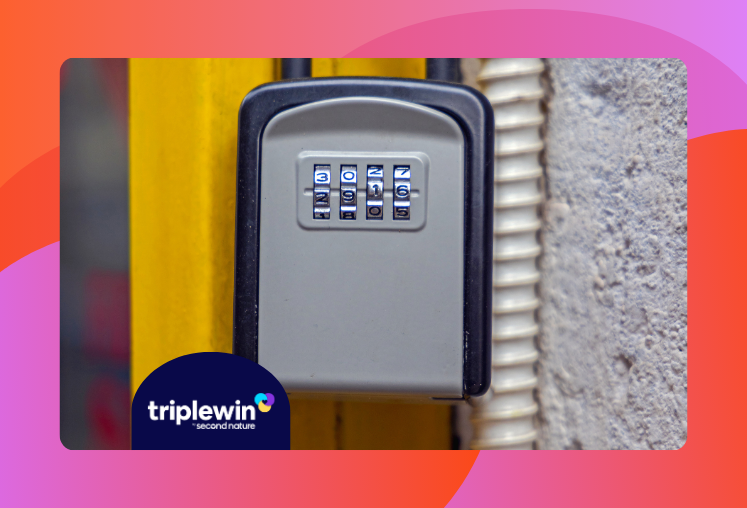
In this issue we'll cover: 💜 Balancing risk and convenience with guided and self-guided showings 💜 How you can learn how to leverage vibe coding in our next Triple Win Live 💜 Some new updates on the Second Nature blog RISK VS. CONVENIENCE Guided vs. Self-Guided Showings: Which Is Better? One of the ongoing debates in property management is whether rental showings should be guided by a leasing agent or conducted as self-guided tours. Many property owners—especially those with higher-end homes—are uncomfortable with prospective residents viewing their properties unaccompanied. The concern is understandable. After all, allowing strangers into a vacant property without an agent present can feel risky. On the other hand, today's renters increasingly expect convenience and flexibility when searching for their next home. They want to view properties on their schedule, not necessarily ours. So which approach is better? We've done both At Milestone Premier Properties, we've utilized both guided and self-guided showings over the years. Today, our primary approach is self-guided tours, while still maintaining a full-time leasing agent who can accommodate in-person showings when requested. The reason is simple: one of the biggest challenges in leasing a property isn't screening applicants—it's getting qualified prospects through the front door in the first place. Today's renters expect convenience. Many work irregular schedules, have family obligations, commute long distances, or are relocating from another city. If a prospect has to wait several days for an agent's availability to view a property, there's a good chance they'll move on to the next rental before ever seeing yours. Self-guided tours remove that friction and allow prospective residents to view homes when it's convenient for them, not just when it's convenient for us. The concerns are valid Owners who prefer guided showings typically cite concerns such as: Property damage Theft or vandalism Unauthorized access Liability exposure General discomfort with strangers being alone in the home These concerns are reasonable, especially for luxury homes or properties containing unique features and finishes. However, it's important to compare those risks against the very real cost of vacancy. The cost of vacancy is often greater Every additional day a property sits vacant represents lost income that can never be recovered. Restricting showing availability often creates a much larger financial risk than the self-guided tour itself. Prospective residents want flexibility. The easier it is to view a property, the more showings occur. More showings typically lead to more applications, which often results in a shorter vacancy period. Modern self-guided showing technology has come a long way. Prospects are typically required to verify their identity, submit information before access is granted, and all entry activity is logged electronically. While no system eliminates risk entirely, today's tools provide significantly more accountability than many owners realize. What happens when owners disagree? As property managers, our responsibility is to advise owners based on our experience and the results we've seen in the marketplace. When an owner prefers guided showings only, we discuss the tradeoffs openly: Fewer available showing times Reduced showing volume Potentially longer leasing periods Increased vacancy risk Ultimately, it's the owner's investment, and they have the right to make that decision. Our job is to ensure they understand both the benefits and the consequences before making it. The bigger question At its core, this isn't really a debate about lockboxes, showing software, or leasing agents. It's a question of who the leasing experience is designed for. Is the process optimized around the convenience of the property manager, or around the convenience of the prospective resident? The rental market has become increasingly consumer-driven. Residents expect the same flexibility and convenience they experience in nearly every other aspect of their lives. Property managers who adapt to those expectations often lease properties faster and create a better overall customer experience. The goal isn't to win the debate between guided and self-guided showings. The goal is to get a qualified resident in place as quickly as possible while protecting the property along the way. Every owner has a different comfort level, and every market is a little different. But in my experience, the easier it is for prospective residents to view a home, the more leasing momentum you create. At the end of the day, a vacant property isn't generating income for anyone. Happy Triple Wins-day, Brandy Landon Broker/Owner Milestone Premier Properties Actors surprised to find themselves in the middle of a housing rally: Actors in Brooklyn hired as extras were told to dress as zombies for a "mock demonstration." Then they found out it was a very real demonstration to protest "the death of the housing industry" in New York City. Albuquerque is naming and shaming absentee landlords in a new report: Albuquerque launched a new website this week listing landlords and property investors who have a history of citations for housing violations like pests, leaks, and fire damage. The database aims to protect renters. Property management industry expected to hit $42.78B by 2030: A new report from Markets and Markets predicts the property management industry will be worth nearly $43 billion in the next 4 years, with AI property management software helping drive growth. "Luke, I am your landlord." George Lucas rents to Disney: 14 years after selling Lucasfilms, George Lucas continues to profit from Star Wars as Disney's landlord. The media giant pays monthly to keep offices located at Lucas's Skywalker Ranch. Rentals really do reach all corners of the galaxy. See how Todd Ortscheid is building real property management tools with AI. This free session for property management professionals will include a live demo of how he vibe codes with Claude and rethinks traditional workflows. Lacy Hendricks returns to the blog to write about why PMs need to start by understanding their market and their ICP in order to be successful. Read the blog post New on the blog, check out our review of the top tools property managers can use to help boost their residents' credit scores with positive rent reporting. Read the blog post See you soon, The Second Nature Team
June 17, 2026
Read more

In this issue we'll cover: 💜 Data on how often to run property inspections 💜 The 2026 PM Trends Report 💜 Blog articles, podcast episodes, and more! BALANCING INVESTOR NEEDS WITH RESIDENT COMFORT How Often Is Too Often? The 2026 PM Trends Report by Peter Lohmann and Jordan Muela revealed an interesting statistic: nearly half of rental property owners are willing to pay more for quarterly inspections. At first glance, that makes sense. Owners want peace of mind. They want to know their property is being cared for, maintenance issues are being caught early, and lease violations aren't going unnoticed. But the report got me thinking: How often is too often? As property managers, we're constantly balancing two competing priorities: Protecting the owner's asset Respecting the resident's home And yes, I intentionally said home. Because while a rental property may be an investment to an owner, it's still someone's home. What owners say they want According to the 2026 PM Trends Report, willingness to pay for quarterly inspections varies by generation: Boomers: 34% Gen X: 57% Millennials: 50% One interesting finding from the report is that both Gen X and Millennial owners place significantly more value on inspections than Boomers. This suggests that middle-aged investors may be more focused on proactive asset protection and visibility into their rental properties than previous generations. Many owners associate more inspections with more protection. If checking on a property once is good, then checking on it four times a year must be even better, right? Not necessarily. What residents tell us At Milestone Premier Properties, we've spent more than five years testing different inspection cadences. When a new owner onboards, they choose their preferred inspection frequency: Annual Bi-annual Quarterly We charge separately for inspections, allowing owners to select the level of oversight they prefer. Interestingly, most owners choose annual inspections, typically conducted around the sixth month of the lease. The second most popular option is bi-annual inspections. Very few choose quarterly inspections. And when residents provide feedback, a clear pattern emerges. Residents often tell us they feel like quarterly inspections are intrusive. Even great residents—those who pay on time, care for the property, and renew year after year—frequently ask if inspections can be reduced. Honestly, I understand where they're coming from. Three months goes by incredibly fast. For a resident who has done everything right, having their landlord or property manager enter the home every quarter can start to feel less like protection and more like disruption. The sweet spot we've found After years of testing, bi-annual inspections have become my favorite cadence. In fact, we're updating our Property Management Agreement this quarter and rolling out a standardized bi-annual inspection program in Q4. Why? Because it creates balance. A bi-annual schedule allows us to inspect the property twice during the lease term—typically around months four and eight. That means: Owners receive multiple touchpoints throughout the year. Potential issues are identified before they become expensive problems. Residents experience fewer disruptions. We can inspect the property before beginning the renewal process. Most importantly, everyone knows what to expect. Standardizing the process creates consistency for owners, residents, and our team. What’s the real question? The real question isn't whether owners want quarterly inspections. The real question is: What's the inspection cadence that creates the best outcome for everyone involved? Could quarterly inspections catch an issue a little sooner? Maybe. But if they negatively impact resident satisfaction, renewal rates, and the overall rental experience, are they truly creating a better outcome? Sometimes the best answer isn't more. Sometimes it's finding the right balance. Until next time, Brandy Landon Broker/Owner Milestone Premier Properties Rentvine and Tenant Turner announce new sync: Rentvine and Tenant Turner announced a new API-based sync to keep listing and prospect data up to date in both platforms in real time. Barely half of residents pay rent online: The New York Times, citing a new report from Rentec Direct, reported that 51 percent of American renters pay rent online, the first time the number has passed 50%. The new PM Trends Report from Jordan Muela and Peter Lohmann is now available. Working in partnership with Harris Poll, they surveyed 500 small investors to better understand what they want from property managers. Get the report! Ben Smith and Tim Wehner join the pod to talk about building an effective business development function, and the questions you should be asking in a pitch. Listen now! From AI leasing tools to automated maintenance platforms, learn what technology is evolving fastest for property managers in 2026 so you can be prepared. Read the blog post Birdy Properties saved 3 full days during the leasing process, getting vacancies filled faster while seeing 10% of residents upgrading their benefits. Ready Birdy's story See how Group Rate Internet helped RHOME attract and convert more residents, driving a 97% adoption rate with 0 added operational lift. Read RHOME's story Happy triple wins-day, The Second Nature Team
June 3, 2026
Read more

In this issue we'll cover: 💜 Why more doors doesn't always equal more success 💜 Key PM news from across the country 💜 Two new podcast episodes IT PAYS TO BE SELECTIVE The Wrong Doors Can Break a Business For a long time in property management, growth felt simple. Add more doors. Hire more people. Add more doors. The industry rewarded volume, and honestly, most of us bought into it. You’d walk into conferences and hear operators proudly talking about unit count like it was a scoreboard. One hundred doors. Five hundred. One thousand. Because bigger means more successful… right? I think a lot of operators are sitting in a different reality now than we were a few years ago. The excitement of growth has started colliding with the weight of it. Costs are higher. Margins are tighter. Rent growth has slowed. Teams are stretched thin. Owners are watching every dollar more carefully than ever before. And somewhere in the middle of all of that, many property managers have quietly started realizing something that feels almost backwards after years of chasing expansion: Not every door makes the business healthier. Some doors make the business heavier. You can feel it when you onboard the wrong owner. Sometimes it shows up immediately, and sometimes it takes six months before the friction starts bubbling to the surface. It’s the owner who pushes back on every recommendation before you’ve even started working together. The owner who questions every invoice. The owner who wants premium service while negotiating every fee down to the bone. At first, you tell yourself it’s manageable. One difficult client isn’t the end of the world. But then enough of those relationships stack together, and suddenly your team feels exhausted all the time. They spend more time defending decisions than actually managing properties. Your maintenance department feels buried in tension. And the craziest part is that from the outside, the business looks healthy, and growing. Brad Johnson at Profit Coach posted recently on LinkedIn and perfectly captured this shift happening in our industry. He shared a story about a company that completely changed how they incentivized business development. Instead of rewarding their BDM based on doors added, they shifted the target to recurring revenue. No more “bring us 10 units this month.” Instead, every new deal had to meet a minimum Revenue Per Unit threshold through some combination of management fees, leasing, renewals, maintenance coordination, and ancillary income. If the math worked, they took the deal. If it didn’t, they walked away — even if it was a beautiful property, even if it would increase unit count, and even if it looked impressive from the outside. And honestly, I think that takes discipline. Because property management companies know how to survive by saying yes. Yes to one more owner. Yes to one more property. Yes to squeezing margins thinner. Yes to making exceptions because you’re afraid to lose the deal. But eventually “later” shows up. It shows up in overwhelmed teams. It shows up in burnout. It shows up in businesses that technically grew, but somehow feel less healthy than they did two years earlier. That’s why the conversation around “quality doors” feels so important right now, especially with what many are calling the triple squeeze happening across the industry. We’re seeing stagnant rent growth while operational costs continue climbing. Owners are feeling pressure, which means property managers are feeling pressure too. And when margins tighten, the wrong relationships become even more expensive to carry — not just financially, but emotionally. I think that’s the part we don’t talk about enough. Some owners bring stability to a business. Others bring constant friction. And usually, the warning signs are there from the beginning. The owners who understand value tend to move differently. They want transparency. They care about protecting the asset long term. They understand that good property management requires systems, people, communication, and infrastructure. The owners who fight every fee upfront are often telling you exactly what the relationship will feel like later. That’s what fascinated me most about the Revenue Per Unit concept. It wasn’t just measuring profitability. It was quietly measuring alignment. Because high-RPU relationships are rarely built with owners who fundamentally distrust your business model. They’re built with owners who see property management as a partnership instead of an expense to minimize. And I think that’s where our industry is maturing. For years, the goal was simply growth. Now the conversation is becoming more nuanced. What kind of growth? At what cost? With who? The truth is, the wrong doors can quietly break a business long before anyone realizes it from the outside. And sometimes the strongest operators in the room aren’t the ones saying yes to everything. They’re the ones disciplined enough to walk away. Until next time, Brandy Landon Broker/Owner Milestone Premier Properties L.A. debuts dashboard to track housing violations: The city of Los Angeles launched a new dashboard that lets users see what properties have the most housing violation cases filed against them, providing insights renters previously didn't have access to. Killer Mike launches rent-to-own program in Atlanta: Atlanta rapper Killer Mike announced that he's launching a new project other than develop rent-to-own housing throughout the city. SFR owners insulated from housing trends: A new article from HousingWire details why independent single-family rental owners are less likely to be impacted by market shifts than institutional investors. Nearly half of New Mexico renters are now cost-burdened: A new report from the New Mexico state government found that nearly half of renters (and 20% of homeowners) are cost-burdened, spending more than 30% of their income on housing. If you haven't checked out the 2026 State of Resident Onboarding report, now's the time! See where property managers are meeting and missing resident expectations in the first 30 days. Get it now! Tackling the 2026 legislative landscape: Robert Dell'Osso from MasterKey Realty joined the pod to talk the NARPM Capitol Summit, trends in legislation, and more in this episode. Listen now! Where property managers are feeling the squeeze: Lula's Will Parrish hopped on with Andrew to discuss how maintenance costs and resident expectations are squeezing PMs. Listen now! Happy triple wins-day, The Second Nature Team
May 20, 2026
Read more

In this issue we'll cover: 💜 Takeaways from the NARPM Broker/Owner conference 💜 ProfitCoach's new benchmark report on financial performance 💜 The new season of the Triple Win Podcast THE CONVERSATIONS CHANGING OUR INDUSTRY Learnings from Broker/Owner In property management, it’s easy to stay buried in the day-to-day. Every once in a while, though, stepping out of the business and into a room full of peers can change everything. That’s exactly what Broker/Owner delivers. And this year in New Orleans, the energy took it to another level. The vibe was already set. Jazz Fest, live music on every corner, an eclectic city, and an energy you can feel the moment you land. It’s the kind of place that naturally pulls you in. Every time I attend a conference, I keep it simple. I only have three goals: Bring back two ideas I can implement in my business Make one new meaningful connection Have fun That’s it. Because if you’re not careful, conferences can overwhelm you quickly. The amount of information alone can do it. Add in social events, dinners, conversations, trying to experience the city, and by the time you get home, you’re completely spent. But that’s also what makes it so powerful. The energy. The conversations. The exposure to new ways of thinking. It has a way of resetting you for what's ahead. Most attendees would agree that the value comes from the full experience. This year, two things stood out in a big way. 1. A new standard for trust accounting One of the biggest conversations across the conference was the introduction of the NARPM Trust Accounting Chart of Accounts, developed through a collaboration between ProfitCoach and Crane. And it’s a big deal. For years, trust accounting has been one of the most complex and inconsistent areas in property management. Every company has approached it a little differently, with varying naming conventions, structures, and reporting styles. That lack of standardization has made it harder to train teams, compare performance, and ensure best practices across the industry. This changes that. We now have a standardized framework and a common language for trust accounting. Similar to what happened when the NARPM Chart of Accounts was introduced for corporate books, this creates alignment across companies, software, and operators. What this means for our industry: Clarity: Teams can understand financials without translation between systems Consistency: Easier onboarding, training, and scalability Accountability: Cleaner reporting and stronger financial visibility Benchmarking: A real ability to compare performance across businesses Professionalization: Continued elevation of property management as a more structured, mature industry As someone with a bookkeeping background who runs our accounting in-house, this is something I’m genuinely excited about. It brings structure to one of the most critical parts of our business, and I plan to implement it right away. 2. AI isn’t coming. It’s here. The opening keynote by Marcus Sheridan set the tone for the entire conference. His message was simple. AI isn’t going anywhere. The businesses that learn how to work with it, not against it, are the ones that will win. It’s something we’re all feeling. The speed of change is real, and for many, it’s overwhelming. But his perspective wasn’t rooted in fear. It was grounded in opportunity. He focused on how to position your business to show up in AI-driven searches, how to create content that answers real questions, and how to build trust in a digital environment that’s evolving quickly. The takeaway wasn’t to chase every new tool. It was to double down on principles that don’t change: Be helpful Be clear Answer real questions Show up consistently Those are the things that will continue to matter, no matter how the technology evolves. And then… there was Party Gras We can’t talk about this conference without mentioning Party Gras. If you missed it, you truly missed out. Where else can you walk into the Superdome, kick a field goal, dance with Thad, ride a ferris wheel, kiss an alligator, get your palm read, and zipline all in one night? I’m still not entirely sure how they pulled it off, but it was easily the event of the year. And it didn’t stop there. The events, the dinners, the conversations, everything delivered. One thing is for sure. Property managers know how to show up. And vendors know exactly how to meet us there. It was an absolute honor to attend this year. I came back inspired, energized, and ready to implement what I learned. And if there’s one thing I’m reminded of every time I go to something like this, it’s this: We’re all figuring this out together. The industry is evolving. Expectations are rising. Opportunities are expanding. But we’re not doing it alone. And that might be the most valuable part of all. See you all soon! Brandy Landon Broker/Owner Milestone Premier Properties ShowMojo Adds Property Shield Integration: ShowMojo announced a new integration with Property Shield to add AI-powered fraud detection to rental listings. Landlords Sue over COVID Eviction Bans: A group of landlords is looking to settle with the federal government over COVID-era eviction moratoriums. ProfitCoach released their 2026 State of Financial Performance report! Get it now! We're trying something new with Triple Win LIVE this month. Instead of a featured speaker, you're the one driving the conversation. We'll kick off with key findings from our State of Resident Onboarding report, then hand it over to the room. Join us May 21 from 2-3:30pm ET for a Resident Experience Roundtable where you'll get into small groups to talk through the biggest gaps in your resident experience, surface shared themes together, and choose a solution-focused breakout to go deeper on the topic that matters most to you. Secure your spot! The Triple Win Podcast is back! Season 6 kicks off today with Daniel Madison of Rhome, who talks Group Rate Internet as a way to delight residents. Listen now! Kandise Varvil of PM PathBuilders is back on the blog with an article on why both sides of your business need to deliver "Capital G Growth." Read the article! See you in a couple of weeks, The Second Nature Team
May 6, 2026
Read more

If you’ve been anywhere near a conference, webinar, or even your inbox lately, you’ve probably felt it. AI is everywhere. And with it comes a new wave of language—“vibe coding,” “build your own tools,” “automate everything.” Some people are diving in headfirst, while others are quietly wondering if they’ve already fallen behind. You’re not behind. You’re just being hit with a lot, all at once. One of the biggest phrases floating around right now is “vibe coding.” And if you’re like most property managers I’ve talked to, your first thought was probably… what does that even mean? At its core, vibe coding is a newer, informal way of building tools with AI. Instead of writing code line by line, you describe what you want in plain language and let AI help bring it to life. You might say, “I want a dashboard that tracks rent payments, flags late residents, and sends reminders,” and instead of building it from scratch, the AI begins generating the logic, structure, and sometimes even a working version of the tool. From there, you refine it—adjusting, clarifying, and iterating until it gets closer to what you had in mind. That’s where the name comes from. You’re not engineering every detail. You’re guiding the outcome. In theory, it sounds incredible. Traditionally, building something like that would require knowing a programming language, writing precise instructions, and spending significant time getting everything right. Vibe coding shifts that. You describe outcomes, AI translates them, and the process becomes faster and more accessible. But it’s not as flashy in real life as it sounds online. Most people aren’t building fully custom apps overnight. What it actually looks like is much more practical. It’s creating small internal tools—trackers, calculators, workflows—that make your day-to-day operations easier. It’s automating repetitive processes. It’s testing ideas quickly before investing time or money into them. And that’s where the catch comes in. Vibe coding still requires clear thinking. It requires knowing how to ask for what you want. It requires testing, refining, and adjusting when the first version isn’t quite right. If your direction is vague, the result will be too. The “vibe” only works when there’s intention behind it. You might also be hearing the ongoing debate: should I be using ChatGPT or Claude? The honest answer is… it depends. Both are powerful. Both can help you write, think, organize, and build. For most property management use cases, they’re far more similar than they are different. The difference isn’t usually in the tool. It’s in how you use it. So if you’re stuck trying to decide which platform to commit to, you might be asking the wrong question. Instead of “Which AI is better?” try asking, “What would I actually use this for in my business?” Because in real life, not on LinkedIn, AI in property management looks a lot simpler. It’s drafting owner updates faster, cleaning up email templates, writing listings and social posts, creating SOPs, and helping think through tricky resident situations. It’s not replacing the work. It’s supporting it. And that’s where it shines. The best use of AI right now is in the places that save time, reduce mental load, and help you communicate more clearly. Think of it as a second set of eyes or a starting point when you’re staring at a blank page. But there’s a side of this that doesn’t get talked about enough. AI is a tool, but it doesn’t understand your business the way you do. Be cautious using it for legal or lease-specific decisions without review, owner-specific guidance that requires context, anything involving fair housing or compliance, or fully automating resident communication without human oversight. In property management, the details matter. The relationships matter even more. There’s a quiet pressure right now to be doing more with AI. To build tools, automate workflows, and figure out what everyone else seems to understand. But the truth is, you don’t need to master AI to run a great property management business. You just need to use it where it actually helps. So instead of asking, “Am I doing enough with AI?” try asking, “Where is my team spending time that AI could support?” Start there. Because the goal isn’t to become a tech company. The goal is still the same as it’s always been: take care of people, run a strong business, and build something that lasts. AI can help with that, but it’s not the thing that makes it work. And maybe that’s the real opportunity right now. Not in building the most advanced tools, but in knowing where technology ends and where people still matter most. Until next time, Brandy Landon Broker/Owner Milestone Premier Properties This week's must-sees Rentec Direct announced their new open API to make integrations and AI processes easier, available to all clients at no additional cost. According to Consumer Affairs, renting is now more affordable than buying a home in all 50 of the largest U.S. metro areas. The city of Bellingham, WA is considering a proposed initiative that would ban algorithmic rental pricing. Short-term rental demand continues to surge in World Cup host cities. Join the Triple Win LIVE Roundtable Your residents' experience is your reputation. It's your retention. It's your reviews. But most PM companies haven't built a strategy around it. On May 21, we're bringing property managers together for a roundtable-style Triple Win LIVE focused entirely on the resident side of the triple win. You'll work in small groups to identify where your resident experience has gaps, then choose which challenge you want to solve with your peers in real time. No slides. No pitch. Just real conversation. Watch the season finale of Manage This! Chato Castillo was made for property management. He started when he was just 19, and now has over 30 years of experience. So he'll have no problem answering property management questions while navigating our obstacle course, right? There's just one problem... he's afraid of heights. In the season finale of Manage This!, Chato shares his thoughts on owner relationships, what he wishes residents would know, and the craziest things he's seen in his career. AI corner: ChatGPT vs. Claude After last week's update on ChatGPT vs. Claude, we asked the Triple Win Property Managers group what AI tool they prefer, and the results were pretty clear. See you in a couple of weeks, 💜 The Second Nature team
April 22, 2026
Read more

Turn Season Is Coming: Are You Ready? Can you feel it in the air? The temperatures are getting warmer. The rain is coming. The flowers are starting to wake from their winter slumber. There’s a sense of new life all around us—like the world is stretching after a long nap and getting ready to move again. This time of year always brings renewed energy. We are shaking off the slower pace of winter and getting ready for the hot summer nights. But there’s a season in between that makes all of that possible—a season that doesn’t always get the spotlight, but quietly sets everything else in motion. And in property management, we know that season well. Of course, I’m talking about spring. It’s the time of year where things start to pick up. Not all at once—but steadily. Maintenance requests increase. Leasing activity builds. Conversations with owners become more frequent. And before you know it, you’re moving faster than you were just a few weeks ago. The interesting thing about spring is that it’s not actually the busiest season. It’s the setup for it. It’s the in-between. The part where what you do now determines how the next few months will feel. My Maintenance Coordinator said to me the other day, “It’s actually been really calm and light… but I know what’s coming.” And don’t we all? It happens every year. The hustle and bustle of summer is just around the corner. Move-outs will stack up. Turns will overlap. The pace will pick up quickly. So how do we prepare now for the surplus of turnovers we know is coming? Here’s my go-to checklist for the season ahead: 🌸 Your Spring Property Management Checklist Property readiness Address deferred maintenance from winter Schedule HVAC servicing early Clean gutters and check drainage Refresh landscaping and overall curb appeal Resident communication Remind residents of lawn care and upkeep expectations Communicate upcoming seasonal services (HVAC, pest control, etc.) Reinforce how to submit maintenance requests Review emergency protocols and align expectations Turn preparation Review lease expirations (next 60–90 days) Identify likely renewals vs. non-renewals Begin conversations with owners on expectations and strategy Ensure inspection timelines are being met Vendor & team alignment Confirm vendor availability for peak season Establish backup vendors Set clear expectations on timelines and communication Align your team on roles during turns Identify gaps now—before volume increases Process check Revisit your turn process and identify bottlenecks Ensure quick post move-out inspections Confirm approvals are happening efficiently Strengthen communication between departments Simplify wherever possible Spring isn’t about doing everything—it’s about doing the right things early. Because when the season shifts (and it will), you won’t be scrambling to keep up… You’ll already be in motion. Happy spring, Brandy Landon Broker/Owner Milestone Premier Properties This week's must-sees ShowMojo has introduced a new AI Virtual Agent that can answer questions about listings 24 hours a day. The new service is currently in beta. Last chance to be an MVP at NARPM® Broker/Owner! With Broker/Owner less than three weeks away, time's running out to get MVP status! Get a ride from the airport, beignets at check-in, exclusive swag, and more, all for free. Manage This! Episode 3 now streaming It's Brandy's debut on Manage This! Check out her episode and see how well she navigates our obstacle course while fielding questions about her experience in property management. Join our next Triple Win LIVE! Our next Triple Win Live Workshop, Business Development Mastery, is less than a week away! Join Ben Smith (BrightReach Sales), Tim Wehner (LendingOne), and Andrew Smallwood (Second Nature) for a real conversation on what it actually takes to build a business development engine as a broker/owner — and what investors are really looking for in a PM partner. Making property management Second Nature Our friends at Crane just reopened membership applications! Don't miss your chance to join a growing property management community. Crane members enjoy: A vibrant online mastermind community Exclusive benefits from Crane’s partners, including from Second Nature! One, two, and four week Crane Break challenges designed to get company owners out of the day to day grind with support from other operators who have done it before In-person Unplugged dinners, events at conferences, and yearly Horizons retreats and much, much more! Applications are open until April 15th. AI Corner: ChatGPT vs. Claude If you've been using ChatGPT as your go-to AI tool (and honestly, most of us have), it's worth knowing there's a serious shift happening. Anthropic's Claude has more than doubled its paid subscriber base in 2026, and it recently hit #1 in both the App Store and Google Play. What's driving it? A couple of things worth paying attention to: Claude outperforms ChatGPT on coding and reasoning benchmarks Claude's writing sounds more like a person and less like a robot ChatGPT is still the bigger platform with more features (image generation, video, voice). But if you're primarily using AI for writing, analysis, and thinking through problems, Claude is worth a serious look. See you in a couple of weeks, 💜 The Second Nature team
April 8, 2026
Read more

This issue of the Triple Win Newsletter is brought to you by our new original series, Manage This! We put five property managers to the test to see how well they navigate surprise obstacles while still focusing on their business. Catch episode 1, streaming now. There’s a moment in property management where everything feels quiet. No urgent emails, no maintenance emergencies, no fires to put out. And if you’ve been in this business long enough, you know exactly what that means—something is coming. Not long ago, I was invited to be part of Second Nature's new series, Manage This!, hosted by Jack Tucci. The concept was simple but incredibly fitting for our industry. They put property managers on a suspended obstacle course and asked us questions about our businesses while we navigated our way through it. Balance, climb, think, answer—all at the same time. I didn’t hesitate to say yes. About an hour from home, in the Dallas area, I found myself strapped into a harness, looking up at the course ahead of me. I remember thinking—this feels oddly familiar. Not because it was something new to me. I’ve done my fair share of this kind of thing. Just a few weeks prior, I was navigating obstacle courses through the mountains in Colorado at a Crane Horizons event. But this felt different. It wasn’t just the physical challenge—it felt like a real, tangible representation of what we experience every day in property management. We are constantly stepping into the unknown, navigating whatever is in front of us, and adjusting in real time. The obstacles don’t look like ropes and platforms in our world. They look like house fires that displace families overnight, evictions that build over months, properties returned in conditions you didn’t think were possible, or the unexpected moments that stop you in your tracks—like finding someone in their home who had been deceased for more than a month. These aren’t rare occurrences; they are part of the reality of this business, and they require us to show up, solve problems, and keep moving forward whether we feel ready or not. As I made my way through the course, trying to stay balanced while answering questions about my business, something clicked. This wasn’t just a clever concept—it was a mirror. Because while we are navigating all of these challenges, we are also expected to be building a business at the same time. That tension is where things start to feel heavy. It’s easy to fall into reaction mode, where your day becomes a series of responses—answering calls, solving problems, moving from one issue to the next. Before you know it, your entire business is operating that way. But growth doesn’t happen in reaction. It happens in intention, in the moments where you lift your head up long enough to ask where you’re going, what you’re building, and whether it’s sustainable. The challenge is that we don’t get to step off the course to figure that out. We have to do it while we’re still moving. That’s what made Manage This! so powerful for me. It forced me to think while navigating, to answer while balancing, and to stay focused in the middle of something unfamiliar. And the more I thought about it, the more I realized—that’s not new for us. That’s just property management. The obstacles don’t stop, but you do get better. You learn how to move through them more efficiently, how to regain your footing when things feel off balance, and how to trust yourself in the process. Over time, you realize that even when something feels overwhelming, you have the ability to get through it. Manage This! is a five-part series that brings this reality to life in a way that is both fun and uncomfortably accurate. Because while the obstacle course eventually ends, the one we navigate in this business doesn’t. And if you’re anything like me, you don’t just want to survive it—you want to get better at running it. Be sure to watch for future episodes, where five property management business owners were put to the test—each from different backgrounds, at different stages, with different skill sets and businesses. Some found the physical obstacle course more challenging than others, but one thing we all had in common was stepping into the unknown—navigating obstacles and answering questions on the spot. So follow along… you might just see your own obstacle course a little differently on the other side. See you around, Brandy Landon Broker/Owner Milestone Premier Properties This week's must-sees Yardi Matrix reported that national apartment rents were flat month over month in February, and up 0.1% year over year. A Virginia Tech study of 44,000 students revealed a link between single-family rental housing and students' academic performance. According to Redfin's latest data, home sellers now outnumber buyers by the largest margin in over a decade, pointing to potential opportunity for investors. There's still time to become a Broker/Owner MVP! It's not too late to be our MVP at NARPM® Broker/Owner. With exclusive swag, fresh beignets upon arrival, dedicated airport pickup, and a chance to win the ultimate MVP treatment, you can make the most of your time in New Orleans. Making property management Second Nature Get ready for our next Triple Win LIVE Workshop. We'll be joined by Ben Smith and Tim Wehner to talk through how broker/owners can build a reliable business development engine. Register now! Until next time, 💜 The Second Nature team
March 25, 2026
Read more

In property management, we spend a lot of time thinking about the beginning of a lease. We talk about marketing the property well, screening applicants carefully, and setting expectations during onboarding. The start of the relationship gets a lot of attention because we know how important those early moments are in establishing trust. But we don’t talk nearly as much about the other end of the relationship. Because not every lease ends with frustration, conflict, or eviction. Sometimes a resident moves out simply because life is moving them forward. They bought a home. They took a new job in another city. They’re relocating to be closer to family. Nothing went wrong. It’s just time for the next chapter. And when that happens, it’s worth asking a simple question: How do we end the relationship well? Great residents are partners in the success of a rental property. They pay on time, communicate when something needs attention, and take care of the home as if it were their own. Over time, those residents become part of the rhythm of the property. When someone like that moves on, it’s easy to treat the move-out as just another operational process. But I’ve come to believe that the final chapter of the lease deserves just as much intention as the first. Sometimes the most meaningful thing we can do is simply acknowledge the relationship. A short message letting them know we appreciated having them as a resident can go a long way. Something as simple as thanking them for taking care of the home and wishing them well in their next chapter changes the tone of the entire move-out process. Instead of feeling transactional, the interaction feels human. It reminds them that they weren’t just another name on a lease. Beyond that, the way we handle the logistics of move-out often says more than any message we send. Clear instructions, transparent expectations, and friendly communication during those final weeks make the experience feel respectful rather than stressful. Residents remember how easy—or difficult—the process was. And perhaps nowhere is that more important than in how the security deposit is handled. When that part of the process is prompt, fair, and well documented, it reinforces trust and professionalism. For residents who have truly been exceptional, there are also small gestures that can leave a lasting impression. Offering to provide a rental reference in the future is one of them. A simple line letting them know you’d be happy to speak on their behalf if a future landlord asks shows that the relationship was built on mutual respect. Some property managers even go a step further and send a short handwritten note after move-out for long-term residents. It doesn’t need to be elaborate. Just a brief thank-you for being a great resident and a well wish for whatever comes next. In an industry where most communication is automated and transactional, that kind of gesture stands out. Over the years, I’ve also learned that you never really know where a resident relationship might lead. Great residents sometimes return years later. Sometimes they refer friends or family who are moving to the area. Occasionally they even become investors themselves. When someone leaves on good terms, they often remember the experience they had with your company and carry that impression with them. Ending the relationship well keeps that door open. Property management is often defined by the problems we solve—maintenance issues, difficult conversations, unexpected challenges. But there are also moments when the relationship simply reaches its natural conclusion. When a great resident moves on because life is taking them somewhere new, that moment is an opportunity. An opportunity to say thank you. An opportunity to reinforce professionalism. And an opportunity to make sure the final impression they have of your company is just as positive as the first. Because sometimes the way a lease ends matters just as much as the way it begins. Until next time, Brandy Landon Broker/Owner Milestone Premier Properties This week's must-sees Scattered-site manager TCS Management announced an expansion across 10 states this week, emphasizing single-family management and asset stabilization. In the multi-family space, Domain Capital completed its acquisition of Simpson Property Group, bringing an additional 23,000 units into its portfolio. RentScale just announced Clozr, a BDR-as-a-service option for growing PMCs who need help closing more PMAs. Be Our MVP at NARPM® Broker/Owner! In case you haven't already heard, we want you to be our MVP at NARPM® Broker/Owner in New Orleans, April 27th to 30th. Score exclusive swag, fresh beignets upon arrival, dedicated airpot pickup, a chance to win the ultimate MVP treatment, and more! Learn more and register now! Making property management Second Nature Crane applications reopen on April 3! You can join the waitlist today to get application access 48 hours early. Happy Triple Win-sday, 💜 The Second Nature team
March 11, 2026
Read more

We talk often about the “triple win” in property management — the idea that residents win, investors win, and managers win. I believe in that framework deeply. But in my experience, every meaningful win is preceded by a challenge that required discipline to overcome. When Andrew Smallwood referred to what we’re seeing right now as the “triple squeeze,” I immediately felt the accuracy of it. Property management has always felt like a profession built on squeezing. We squeeze a few more dollars in rent to protect returns. We squeeze a few more hours out of the day to clear the maintenance queue. We squeeze a little more capacity from our teams to solve the issue that just surfaced. Some days, it feels like we squeeze out every bit of energy just to make it to tomorrow. And now, layered on top of that daily reality, three broader pressures are pressing in at once: rising costs, flattened rent growth, and rising resident expectations. The first pressure is financial. Insurance premiums are increasing. Property taxes continue to adjust upward. Maintenance costs — labor, materials, compliance requirements — are not what they were a few years ago. Even when budgets are prepared carefully, expenses are inflating faster than revenue can comfortably absorb. That changes the math quickly. Owners feel those increases immediately. As property managers, we absorb that pressure twice — once operationally and once relationally. When margins tighten, the tolerance for inefficiency shrinks. It becomes less about expansion and more about precision. At the same time, rent growth has stabilized. The acceleration of 2021 and 2022 reset expectations across the industry. Renewals were easier. Vacancy was tighter. Increases were absorbed without much resistance. But markets move in cycles. Today, in many segments, we are seeing longer days on market and more price sensitivity. Revenue hasn’t collapsed, but it has leveled. And stabilization after rapid growth can feel like loss, even when it isn’t. When expenses continue climbing while rent revenue flattens, the instinct is often to grow faster — to add more doors and increase volume in order to outrun compression. But growth without operational clarity rarely relieves pressure. It multiplies it. If systems feel stretched at 300 doors, they rarely feel better at 600. More volume does not fix friction; it exposes it. Then there is the third pressure, and perhaps the most underestimated: rising resident expectations. We no longer operate in a vacuum where our only comparison is the property manager down the street. Residents experience service standards shaped by companies like Uber and Amazon. They are accustomed to instant updates, clear timelines, transparent communication, and digital convenience. Convenience is no longer impressive; it is assumed. That shift isn’t unreasonable — it’s cultural. But when less money is coming in, more money is going out, and service expectations are rising in the middle, the tension becomes multidimensional. If we respond emotionally to that pressure, communication tightens, patience shortens, and systems become reactive instead of proactive. Owners sense tension instead of confidence. Residents experience friction instead of clarity. The squeeze begins to affect more than profit; it begins to affect trust. In a recent leadership meeting, we realized we needed to shift the question. Instead of asking how we could grow faster, we asked how we could get sharper — sharper on unit economics, preventive maintenance, and proactive communication. Sharper on defining expectations clearly on the front end instead of repairing misunderstandings on the back end. That reframing changed the tone of the room. When residents understand processes and experience consistency, retention improves. When maintenance becomes proactive instead of reactive, emergency costs decrease over time. When owners are informed before they are surprised, trust deepens. The squeeze does not disappear, but it becomes manageable. And that is often the difference between surviving a season and strengthening through it. Behind every triple win is discipline. Growth seasons reward optimism. Compression seasons reward structure, clarity, and steadiness. The triple squeeze is real, but it is also revealing who is willing to refine instead of react. The triple win does not emerge by ignoring the squeeze. It emerges by meeting it with maturity. And this season, more than any in recent memory, is asking property managers to lead that way. Thanks for reading, Brandy Landon Broker/Owner Milestone Premier Properties This week's must-sees RPM Living, one of the nation's largest multi-family management companies, has partnered with AirBnB to allow residents to rent out their apartments part-time. Evernest has expanded their Group Rate Internet program across more than 15 states, with plans to continue rollout through 2026, shortening vacancy times in the process. Making property management Second Nature AppFolio just released their 2026 Property Management Benchmark Report, highlighting trends in AI, rising vacancies, and portfolio growth. New from Second Nature In case you missed in, we just released our all-new State of Resident Onboarding Report, featuring original research on what residents want in their onboarding process, what property managers are delivering today, and how you can close the gap. We surveyed 500+ residents and 100 PMs to deliver you key insights. 55% of PMs spend 4+ hours on onboarding tasks for each lease. 37% of residents read their entire lease, but PMs estimate only 28% do. 97% of residents said digital move-in tools were helpful. Read up on these and more key data points in the brand new, free report. See you in a couple of weeks, 💜 The Second Nature team
February 25, 2026
Read more
There was a time when I thought conferences were mostly about content—learn the thing, take the notes, come home and implement. And while that’s certainly part of it, what I didn’t realize until I experienced it for myself is that conferences can quietly become one of the most powerful turning points in a property management business owner’s journey. Over the past few years, conferences haven’t just shaped how I run my company; they’ve shaped how I show up as a leader. And as we move through the year, I believe they’re going to play an even bigger role in how we realign, reset, and move forward in this industry. When I attended my first property management conference, I wasn’t nervous. I wasn’t scared. And surprisingly, I wasn’t really there for the social aspect at all. I was there for the content. I’m a habitual student. A lover of learning. And at that point in my journey, I desperately needed solutions to real problems. I wanted systems, clarity, answers. What I didn’t anticipate was everything else. There’s something that happens that’s hard to explain until you experience it yourself: you’re walking the halls with people who have built what you’re trying to build. People you’ve learned from. People you respect. People who are living proof that this is survivable—and even joyful. That first conference for me was NARPM Broker/Owner in Amelia Island, Florida. I went in focused, notebook open, ready to absorb everything. But somewhere between the sessions, the hallways, and the unplanned conversations, something shifted. I’d describe myself as an extroverted introvert. My natural tendency is introversion—I don’t love crowds, but when they’re full of good people and good energy, I become more myself. What shocked me was how quickly this community made space for that. 👉 Read More About My First NARPM Broker/Owner Conference The property management community is welcoming in a way I didn’t expect. Warm. Fun. Real. There was no posturing, no ego—just people willing to share what they’ve learned and admit what they’re still figuring out. After that first conference, I was encouraged to attend other industry events, including NARPM Nationals, PM Systems, and MX Summit by Property Meld. Over the past couple of years, I committed to attending at least three industry conferences each year, and that decision alone catapulted my growth—both professionally and personally. Through conferences, I found mentors, peers, and unexpectedly, some of my closest friends. I found my Crane community. I was also asked to speak for the first time this year at the PM Systems Conference. Sometimes I pause and think about that—standing at the front of the room where I once sat, taking notes and wondering if I belonged—and it still feels a little surreal. All of this came from showing up. From attending. From learning. From being open to connection. Beyond relationships, conferences gave me something I didn’t realize I was missing: confidence. I implemented new systems and processes. I stopped second-guessing every decision. Slowly, the constant feeling of being behind began to loosen its grip. We talk a lot about imposter syndrome in entrepreneurship, but we don’t talk enough about the emotions that live underneath it—fatigue, overwhelm, anxiety, frustration, and hurt. I’ve experienced all of it. And truthfully, I’m still experiencing it. But thanks to the community I’ve found, those emotions don’t weigh the way they once did. And for that, I’m deeply grateful. As I look ahead, one word keeps coming up: realignment. Realignment of systems. Realignment of teams. Realignment of expectations. Property management has changed—again. Margins are tighter. Expectations are higher. Technology is more advanced. And the season of “figure it out as you go” that many of us started in is no longer sustainable. That’s why I see conferences playing such an important role—not as a break from the business, but as a reset for the business. The value you get is directly tied to the intention you bring into it. Go in with focus. Give yourself permission not to do it all. Some of the most meaningful moments won’t be on the agenda. And before you return home, take time to reflect on what you’re truly bringing back—one system, one shift, one change you’re ready to commit to. Conferences won’t magically fix your business. But they can help you see it more clearly. They replace isolation with perspective, overwhelm with direction, and connection with confidence. You don’t attend to come back with more on your plate. You attend to come back thinking differently about what actually matters. And sometimes, that shift is the most powerful takeaway of all. Thanks for reading, Brandy Landon Broker/Owner Milestone Premier Properties This week's must-sees DoorLoop announced new AI-driven features to help organize and streamline property inspections. Atlanta—the city with the highest rate of corporate rental ownership in the country—is aiming to limit institutional buyers, but not everyone agrees it will impact housing prices. Short-term rental rates skyrocketed in the Bay Area ahead of the Super Bowl this past weekend, with prices 60-65% higher than they were at the same time last year, and 88% of rentals booked, as of Wednesday, February 4. New from Second Nature Thinking about heading to CALNARPM? We're sponsoring tickets and hotel rooms for 10 attendees! Book with us and attend for free, but hurry—spots are limited! In case you missed it, download the Triple Win Impact Report, featuring statistics on how RBPs can generate time and savings for residents, investors, and property managers. Both Real Property Management Pros and Real Property Management Alamo have new customer stories on the Second Nature website! Watch a replay of our most recent Triple Win LIVE, SEO for Property Managers in 2026. You can watch the full recording in the Triple Win Community Facebook group. Running a profitable PM business is harder than it used to be. Join ProfitCoach and MasterKey Property Management for a deep dive on what's working, what's not, and what's to come in 2026. This Triple Win LIVE will include group breakouts, live audience discussion, and key learnings on metrics that actually matter. Register now to join us on February 18! All you do is win-win-win, 💜 The Second Nature team
February 11, 2026
Read more