
One of my favorite topics! Like many in property management, I made the mistake of saying yes to everyone—any client, any property, any price.
Hi, I’m Brandy, Broker/Owner of Milestone Premier Properties in North Texas. When I started managing in 2020, I quickly scaled to 200 units. But the truth? I was miserable. I reached a breaking point: quit property management or change everything.
I chose to cut my portfolio in half and rebuild with the right clients and properties. Looking back, it was one of the best decisions I ever made. The lesson was simple but powerful: not every client is a good fit, and not every property is worth managing. The wrong mix drains your time and energy; the right mix allows your business and team to thrive.
In this issue, I’ll share key lessons from that experience—insights I hope will help you know when it’s time to let a client go.
Getting clear on who you serve
The first step was getting intentional about who I worked with. Not every property is worth managing, and not every owner is worth partnering with. To clarify, my team and I asked: “Who is our best client?”
We quickly agreed on the same person and listed their qualities: they understand real estate and its risks, show appreciation even in tough conversations, respond quickly, keep reserves for repairs, and—most importantly—they’re people we enjoy working with. That became our standard. Now, every prospective owner is vetted against it, and if they don’t align, we don’t move forward.
But owner fit is only half the equation—the property matters too. We learned even great owners couldn’t offset the strain of poor-fit properties. So we defined our “ideal property”: single-family homes and duplexes in our service area that are new, remodeled, or in excellent condition.
We share our property criteria openly—on our website, in consultations, and through site visits before signing. If a property doesn’t qualify, we politely decline and refer them elsewhere.
That’s how our “owner and property avatar” was born. It became our filter for every opportunity, and saying no to anything outside of it has saved me more stress than I can explain.
Knowing when it’s time to fire a client
Eventually, you realize some relationships just aren’t working. Maybe it’s an owner who won’t approve repairs, a property that attracts problem residents, or a client who constantly challenges your expertise. When the energy you spend outweighs the value they bring, that’s your signal.
My first client termination was someone I regretted signing from day one. They were demanding, hostile, and expected us to be available on their overseas schedule—even in the middle of the night. What finally pushed me over the edge was how they treated my team. When staff came to me in tears, I knew I had to act.
Thankfully, our month-to-month agreements gave me the flexibility to send a termination letter. It wasn’t easy, but it set a new tone for my company: that kind of behavior would never be tolerated. After that, it became easier to let go of other poor fits.
So how do you know it’s time to fire a client? Deep down, you already do. If they’re draining more than they’re worth, trust your gut and take action. The relief—and the space it creates for the right clients—is worth it.
Why letting go can be a good thing
Firing a client feels scary in the moment, but the relief on the other side is real. When you part ways with the wrong fit, you create space for the right ones. Your team feels the difference too—they’re no longer bogged down by constant conflict, and they get to spend their energy on clients and properties that actually align with your business.
In many ways, it’s not just good for you—it’s also better for your brand, your residents, and even your community.
The mindset shift
The hardest part was changing my mindset. Like many entrepreneurs, I thought growth meant saying yes to everything—more doors, more clients, more revenue. But I learned that unchecked growth can actually hold you back.
True growth comes from being selective—building a portfolio where every property and client aligns with your values. One example that helped me see this clearly was Raising Cane’s. They only serve chicken and fries, but they’ve mastered it. Their simplicity is their strength.
That idea clicked: what are the one or two things we can do really well? For us, it was providing quality, affordable rentals—single-family homes and small multi-family properties. From there, we focused our marketing on attracting owners who shared that vision.
At first, narrowing our focus felt like stepping back. But in reality, that clarity and simplicity set us apart—and ultimately propelled us forward.
Final thought
Firing a client isn’t failure—it’s focus. And when you make that shift, you not only protect your business, you create the freedom to serve the people and properties that truly fit.
 See you in the next issue!
Brandy Landon
Broker/Owner
This week's must-sees
All things property management in the news these past two weeks:
- AirBnB fees are changing for short-term rental managers who use property management software. The company is moving managers from a split-fee model to a host-only fee system.
- California has backed down from requiring rental homes to have cooling systems that would keep indoor temperatures under 82 degrees.
- How will Vegas's tourism drop impact real estate and housing costs?
Triple Win of the week
What's your property management love language?
5-star Google reviews? ACH payments? Units left clean at move-out? Join the conversation and let us know what you most appreciate on the job!

Not in the Triple Win Facebook Group? Join today!
Making property management Second Nature
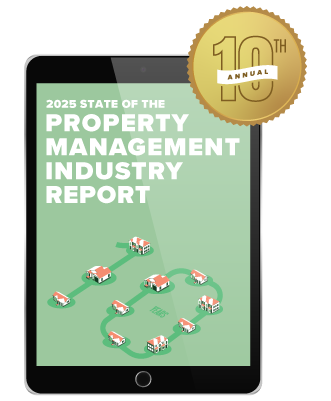
If you haven't already, head over to Buildium's site and download their State of the Property Management Industry Report. The 10th edition, this report covers market insights, growth opportunities, technology updates, and tips on collecting feedback from both residents and clients.
New from Second Nature
- Jen Ruelens (OneFocus Property Management and Hold It with PM Jen) wrote about why resident selection is more important than speed on the Triple Win blog.
- Alex Zweydoff and Lacy Hendricks talked all things search optimization and why SEO isn't dead on the Triple Win Podcast.
- From Kandise Varvil, read why planning for vacancies starts at lease signing.
Until next time,
The Second Nature Team

 August 26, 2026